Professional drivers understand that towing involves more than connecting a vehicle to a truck. It requires suitable equipment, secure loading, clear communication, and a safe route to the destination. In San Diego, light-duty towing services are especially important because freeways, parking structures, coastal roads, and heavy traffic can complicate vehicle transport. Cars, motorcycles, minivans, SUVs, and small pickup trucks may each require a different towing method. Choosing an appropriate provider can reduce unnecessary delays and help prevent further damage. Knowing what experienced drivers consider before a tow can help any motorist make a more informed decision.
Table of Contents
What Light-Duty Towing Covers
A tow may be needed after a collision, a mechanical failure, a parking issue, or a planned vehicle relocation. Serious overheating, transmission trouble, steering failure, suspension damage, or significant fluid loss can make continued driving unsafe. Drivers should confirm that the keys are available, that the wheels turn, and that the vehicle can be shifted into neutral. These details help the operator choose an appropriate loading method. A damaged vehicle should not be forced to move if doing so could worsen the problem.
Light-duty towing is generally used for passenger vehicles and smaller trucks that fall within the rated capacity of a standard tow truck. Common examples include sedans, crossovers, motorcycles, minivans, SUVs, and some compact pickup trucks. The correct towing method depends on the vehicle’s weight, drivetrain, ground clearance, wheel condition, and location. A car with locked wheels or steering damage may require a different setup than one that can still roll and shift into neutral. A dispatcher should collect accurate details before assigning equipment. This helps prevent an unsuitable tow truck from arriving.
Why the Right Towing Equipment Matters
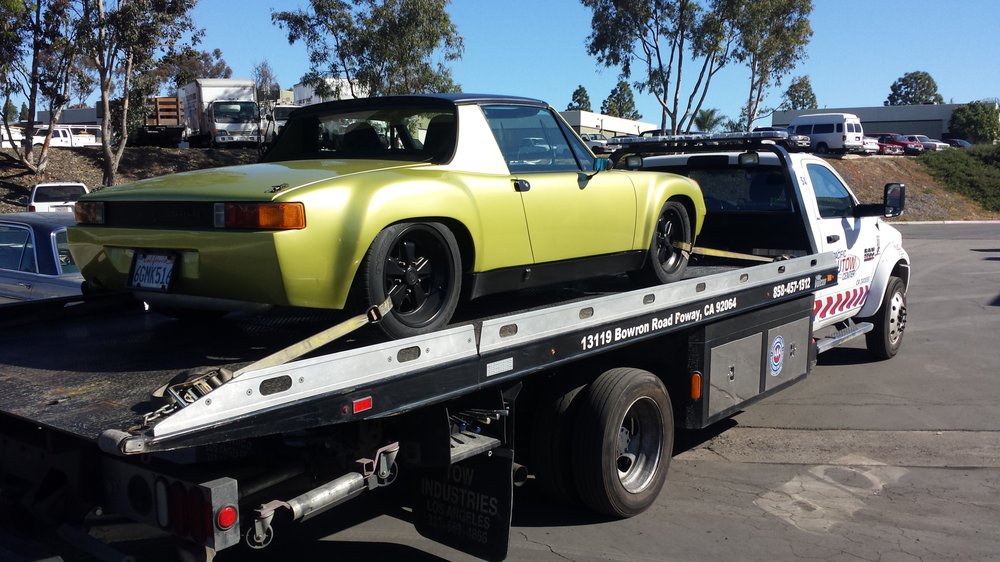
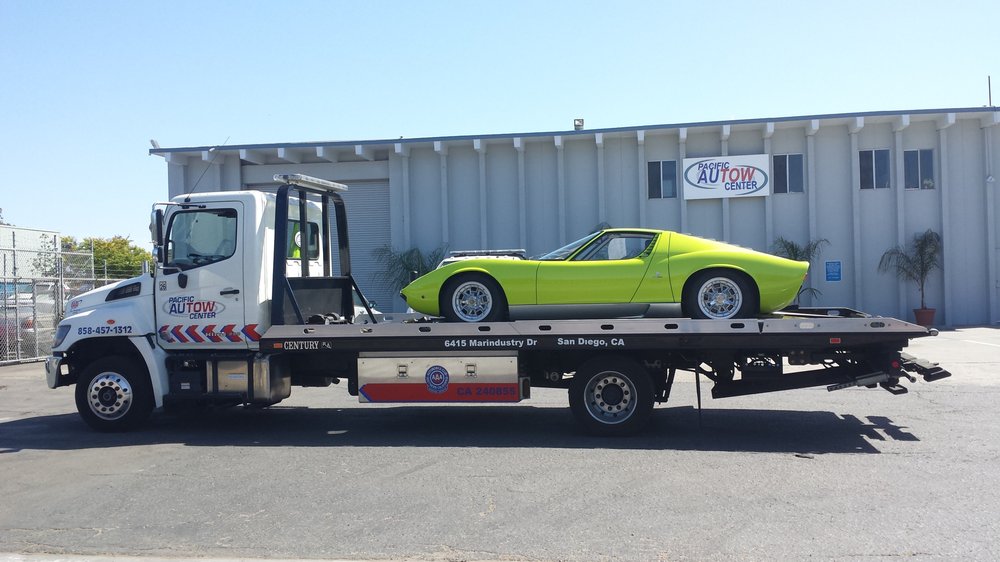
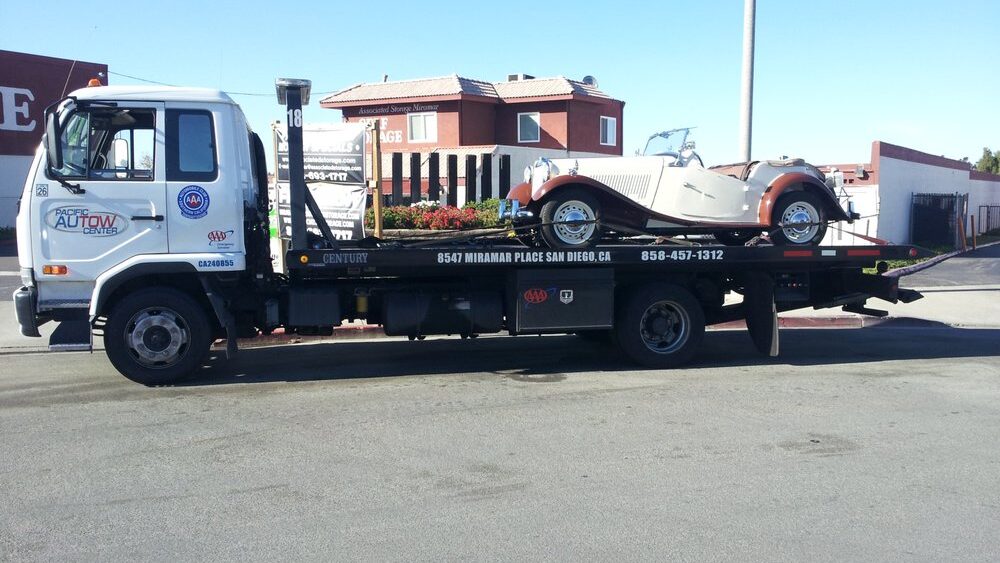
A flatbed truck carries the entire vehicle on a platform, keeping all four wheels off the road. This method is often suitable for vehicles with collision damage, low ground clearance, steering problems, or certain all-wheel-drive systems. It may also be preferred for electric, luxury, classic, or specialty vehicles. The operator must still use suitable attachment points, securement straps, and loading angles. A flatbed is not automatically necessary for every tow. The vehicle’s condition and manufacturer guidance should influence the decision.
Wheel-lift towing raises one end of a vehicle while the other wheels remain on the road. It can work well for compatible vehicles, particularly during shorter trips or in areas with limited loading space. The operator must consider the drivetrain, tire condition, and visible damage before using this method. Dollies may be needed when the wheels cannot rotate safely. Professional drivers prefer operators who select equipment based on vehicle requirements rather than convenience.
Before approving a tow, confirm:
- The type of truck being dispatched
- The proposed towing method
- The pickup point and destination
- Mileage and hookup charges
- Possible recovery or access fees
These questions remain important when someone is searching for a cheap towing service. A low opening price may not include mileage, storage, winching, after-hours work, or special equipment. Clear pricing is more useful than a quote that changes once the vehicle has been loaded.
How Professionals Evaluate a Towing Provider
Professional drivers often consider licensing, insurance, operator training, equipment condition, and established procedures. A provider should be able to explain what truck will be used and why it is appropriate for the vehicle. Drivers may also ask how pre-existing damage is documented before transportation. Photos, written notes, or a basic inspection can create a useful record for both the owner and operator. A consistent process indicates that vehicle handling is being taken seriously.
Pricing transparency is equally important when choosing the best light duty towing services. Callers should ask whether an estimate includes the hookup, mileage, loading, unloading, and transportation to the selected destination. Additional fees may apply when a vehicle is in a garage, a ditch, a restricted parking lot, or a difficult roadside position. Accident recovery services may also require extra equipment or coordination with police, insurers, repair facilities, or storage yards. A clear explanation before approval can reduce confusion later.
Availability matters, but exact arrival promises should be handled with caution. San Diego traffic can change quickly near freeway interchanges, construction zones, and busy commercial districts. A dependable provider should offer a reasonable arrival window and communicate when conditions change. Drivers comparing towing companies for the best roadside assistance should focus on equipment, safe handling, pricing clarity, and communication. Fast arrival is helpful, but vehicle protection should remain the priority.
San Diego Roads and Recovery Conditions
A disabled vehicle near I-5 in Sorrento Valley may present different access challenges than one near I-15 in Miramar. Shoulder width, ramp design, congestion, and construction can affect how a tow truck reaches the vehicle. Familiarity with I-805, Mira Mesa, University City, Kearny Mesa, La Jolla, and Carmel Valley can support better route planning. Drivers should provide the nearest exit, cross street, landmark, or business entrance when requesting help. Underground parking garages may also have height restrictions, while gated properties may require access codes. Readers planning a service-location visit can access the map for directions.
Not every breakdown requires towing, but some problems make driving unsafe. Serious overheating, steering failure, transmission trouble, suspension damage, or major fluid loss usually requires vehicle transportation. Affordable car recovery services near you should still take time to describe the vehicle accurately. The dispatcher needs to know whether the car can roll, steer, or move into neutral. This information helps determine whether a flatbed, wheel lift, dollies, or another method is appropriate.
Some callers searching for 24 hour roadside assistance in San Diego may initially expect a minor on-site solution. However, a vehicle with major mechanical or collision damage may require full transportation instead. The caller should describe the symptoms rather than decide in advance which service is needed. A dispatcher can then identify the most suitable response and equipment. This reduces the risk of an unsuitable vehicle arriving.
Preparing Before the Tow Truck Arrives
Drivers should provide the exact location, vehicle make, model, body style, colour, current condition, and intended destination. They should also mention locked wheels, missing keys, low clearance, collision damage, modified suspension, or an attached trailer. A reliable callback number is important in case the operator has difficulty locating the scene. For more details about light-duty towing options in San Diego, Pacific Autow Center provides information about several vehicle types it transports. Every situation is different, so callers should still confirm equipment, pricing, and destination details.
Safety should remain the priority while waiting. Drivers should avoid standing near moving traffic or between the disabled vehicle and the roadway. Receiving expert service from trained towing professionals can make the recovery process safer, faster, and less stressful. Hazard lights may improve visibility, but risky roadside repairs should be avoided. Essential belongings such as identification, medication, electronics, and keys should be collected when it is safe. The repair shop, dealership, residence, or storage facility should also be contacted in advance.
Need fast, safe, and dependable towing when your vehicle breaks down? Call us for prompt assistance from experienced professionals who prioritize your safety and vehicle care. We’re ready to help you get back on the road with confidence.
Frequently Asked Questions
What vehicles qualify for light-duty towing?
Sedans, motorcycles, minivans, crossovers, SUVs, and some small pickup trucks commonly qualify. Suitability depends on the vehicle’s weight, dimensions, condition, and drivetrain. The towing provider should confirm these details before dispatching equipment.
Is flatbed towing always required?
No. Flatbeds are often appropriate for damaged, low-clearance, all-wheel-drive, electric, or specialty vehicles. A compatible wheel-lift method may work safely in other situations.
What information should I provide?
Provide the exact location, vehicle type, condition, intended destination, and key availability. Mention access restrictions, collision damage, low clearance, or locked wheels. Accurate details help the provider send suitable equipment.
How much does towing cost in San Diego?
Pricing depends on mileage, hookup fees, vehicle condition, required equipment, and access difficulty. Recovery, storage, or winching may increase the total. Ask for a clear breakdown before approving the tow whenever possible.
Can roadside support prevent towing?
Minor problems may sometimes be handled without transporting the vehicle. Towing is more appropriate when the car cannot be driven safely or has serious mechanical or collision damage. Describe the issue clearly so the provider can recommend the correct response.
Conclusion
Professional drivers choose towing providers by considering vehicle compatibility, equipment, communication, insurance, and transparent pricing. They understand that the correct method depends on the vehicle’s drivetrain, condition, weight, and location. Asking clear questions before dispatch can prevent delays and the use of unsuitable equipment. These same steps can help any San Diego motorist make a more informed decision.
Local knowledge is also useful around I-5, I-805, I-15, and busy neighbourhoods across the city. Accurate location details, safe waiting practices, and a confirmed destination make the process easier to manage. Light-duty towing services should focus on secure transportation, suitable equipment, and clear expectations. Pacific Autow Center is one option for drivers who need vehicle transportation in San Diego.